



What Affects Your Hyundai Trade-in Value
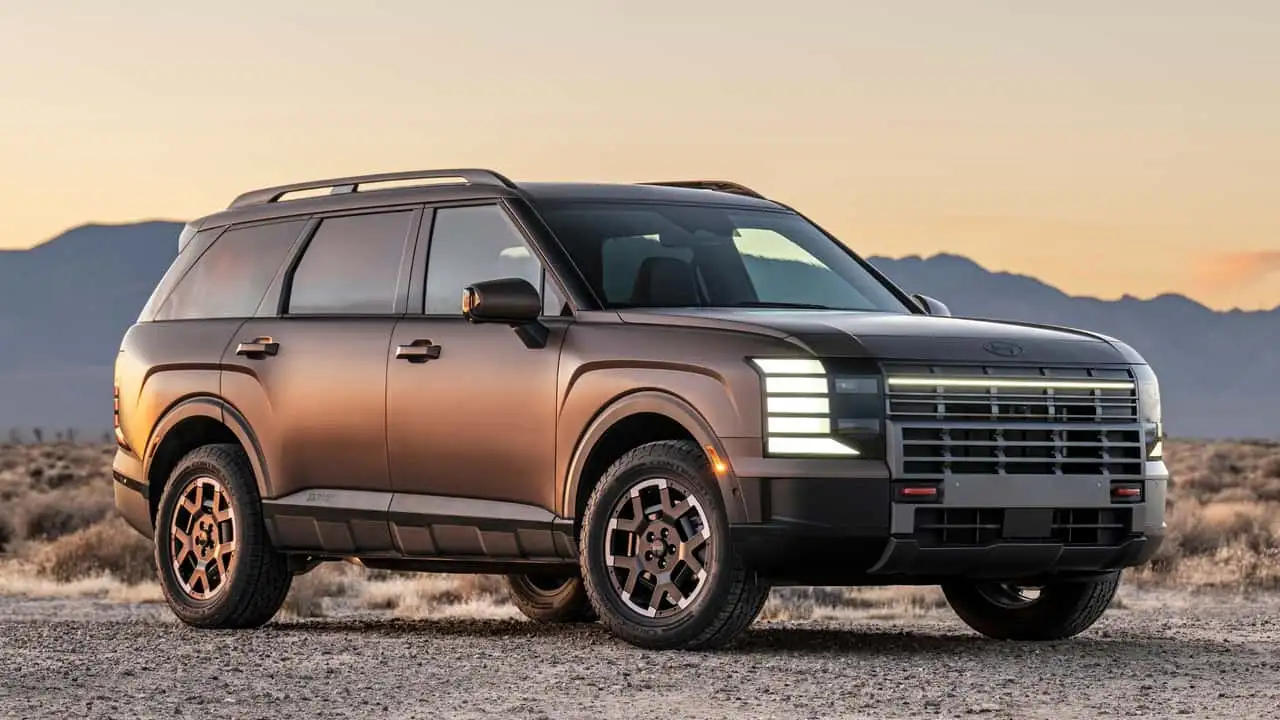

Factors Affecting Hyundai Trade-in Value Long Island
Hyundai trade-in value on Long Island depends on vehicle condition, mileage, service history, and local market demand. Well-maintained Hyundais with complete service records command higher appraisals. Tire tread depth and mechanical health directly impact final offers. South Shore Hyundai is proud to offer an incredible selection of used cars for sale to drivers near Long Island, Valley Stream, Queens, and beyond!
Shop New, Certified & Pre-Owned Hyundai
Browse inventory, book service, and apply for financing all in one place at South Shore Hyundai — serving Valley Stream, Lynbrook, Elmont, Franklin Square, Hempstead, Long Beach, and all of Long Island, NY.
Key Takeaways
- Service records prove responsible ownership and directly translate into higher trade-in appraisal numbers.
- Mileage serves as the primary depreciation yardstick, with higher odometer readings reducing the offer.
- Vehicle condition is the single largest factor, with tire tread depth and mechanical health impacting the final price.
- Long Island's salt exposure and humidity accelerate undercarriage wear, making documented rust prevention valuable.
What determines your Hyundai trade-in value on Long Island?
A Hyundai Trade-in Value Long Island appraisal depends on multiple factors working together, not a single data point. Maintenance history, mechanical condition, and market timing combine to produce the final offer. Long Island owners who understand these variables walk into negotiations with realistic expectations and stronger positions.
How do appraisers calculate a Hyundai's worth?
Five measurable factors produce the final appraisal number. These are make, model, condition, mileage, and service history. Each factor carries weight, and none operates independently. A low-mileage Hyundai with neglected service records often appraises lower than a higher-mileage vehicle with complete documentation.
The interplay between these elements explains why two identical models can receive different offers. Appraisers examine the full picture, not isolated metrics.
What role does maintenance history play in trade-in value?
Service records serve as proof of responsible ownership. Complete documentation signals that mechanical systems received timely attention. Missing records create uncertainty, and uncertainty lowers offers.
Long Island's climate adds another layer. Salt exposure and humidity accelerate wear on undercarriage components. Vehicles with documented rust prevention and regular undercarriage cleaning demonstrate proactive care. This documentation translates directly into higher appraisal numbers.
Why does market timing affect the final offer?
Dealership inventory needs shift with seasons and consumer demand. A fuel-efficient Hyundai sedan commands stronger offers when gas prices rise. SUV trade-ins peak during winter months as buyers seek all-wheel-drive capability.
Local Long Island market conditions also influence valuations. Regional preferences for specific models create demand fluctuations that appraisers factor into their calculations. Understanding these timing variables helps owners choose the optimal moment to trade.
How does mileage affect your Hyundai trade-in value?
Mileage serves as the primary depreciation yardstick for any Hyundai Trade-in Value Long Island appraisal. Higher odometer readings directly reduce the offer because they signal accumulated mechanical wear across every major system. A vehicle with 100,000 miles returns substantially less than an identical model with 40,000 miles, even when both appear clean.
Appraisers treat mileage as a proxy for remaining service life. Each mile driven on Long Island roads contributes to component fatigue that the next owner inherits. The financial penalty for excess mileage is not linear. Crossing certain thresholds triggers steeper value drops.
What mileage thresholds trigger the biggest value drops?
The 60,000-mile mark often signals the end of factory powertrain warranty coverage, which makes buyers more cautious. Crossing 100,000 miles places the vehicle in a different wholesale category altogether. Vehicles under 36,000 miles retain the strongest residual values because they still carry substantial original warranty protection.
How does Long Island driving accelerate mileage-related wear?
Stop-and-go traffic patterns across Long Island multiply the effect of every odometer mile. Queens traffic accelerates wear on brakes, suspension, and transmission, which appraisers weigh heavily during inspection. A vehicle accumulating miles primarily on the Long Island Expressway or Northern State Parkway endures more brake applications and transmission shifts per mile than one driven on open highways. This concentrated wear pattern means a Long Island Hyundai with 50,000 miles may show component fatigue comparable to a highway-driven vehicle with 70,000 miles.
What documentation offsets high-mileage deductions?
Service records provide the strongest counterweight to a high odometer reading. Well-maintained vehicles with regular service records command higher trade-in values. Documentation proves that mileage-related maintenance occurred on schedule. Tire condition, tread depth measurements, and mechanical health directly determine the vehicle's final appraisal price. Owners who present complete service histories give appraisers concrete evidence that the vehicle received proper care despite its mileage. This transforms the conversation from abstract odometer numbers to verifiable mechanical condition.
What role does vehicle condition play in your appraisal?
Vehicle condition is the single largest factor in determining Hyundai Trade-in Value Long Island appraisals. A clean, well-maintained vehicle commands a higher offer than an identical model showing neglect. Appraisers inspect every surface, system, and component before assigning a dollar figure. Owners who overlook condition leave money on the table.
How do tires and mechanical health affect the final number?
Tire condition, tread depth, and mechanical health directly impact a Hyundai's final appraisal price. Worn tires signal deferred maintenance and trigger immediate deductions. Appraisers measure tread depth with a gauge. Uneven wear patterns suggest alignment problems that require costly correction. Mechanical issues carry even heavier penalties. An engine misfire, transmission slip, or brake pulsation tells the appraiser the vehicle needs repairs before resale. Long Island buyers expect road-ready vehicles. A Hyundai that drives poorly receives a wholesale valuation, not a retail-based offer.
Why do service records matter so much?
Regular service records and maintenance history significantly increase a Hyundai's trade-in value on Long Island. Documentation proves the vehicle received timely oil changes, fluid flushes, and factory-recommended services. Without records, the appraiser assumes neglect. A stack of receipts from a trusted service center transforms an unknown history into a verifiable asset. The difference often amounts to hundreds of dollars on the final offer. Organized owners who present a complete maintenance folder signal responsible stewardship. That signal translates directly into a stronger appraisal number.
Cleanliness seals the deal. A detailed interior, spotless glass, and a washed exterior demonstrate pride of ownership. Appraisers notice. Clean, well-maintained vehicles command higher trade-in values across Long Island because they require less reconditioning before resale. The dealership saves on detailing costs and passes that savings into the offer. Dirt, stains, and odors create the opposite effect. They suggest the vehicle was treated as an appliance, not an investment.
How do regional market trends impact your trade-in value?
Regional market trends on Long Island directly shape Hyundai Trade-in Value Long Island appraisals through three measurable forces: local demand patterns, seasonal buying cycles, and geographic wear factors. A Hyundai sedan that commands premium pricing in Nassau County during spring months may see its valuation shift by hundreds of dollars when winter arrives and buyer preferences pivot toward all-wheel-drive SUVs. Owners who ignore these regional signals leave money on the appraisal table.
What local demand patterns affect Hyundai valuations on Long Island?
Long Island's commuter-heavy population creates sustained demand for fuel-efficient Hyundai models like the Elantra and Sonata. Appraisers track which trims and body styles move fastest off dealership lots in communities from Huntington to Hicksville. A vehicle matching current regional buyer preferences receives a stronger offer than an identical model that sits in inventory.
How do seasonal shifts change trade-in offers?
Seasonal buying cycles alter trade-in values throughout the year. Convertible and sport-oriented Hyundai models peak during warmer months when Long Island buyers shop for summer vehicles. Conversely, all-wheel-drive Tucson and Santa Fe models gain appraisal strength as winter approaches and road conditions deteriorate. Timing a trade-in to align with seasonal demand peaks produces measurably higher offers.
Why does Long Island geography accelerate vehicle depreciation?
Nassau County drivers navigating daily commutes on the Meadowbrook Parkway or weekend runs out to the North Shore know their vehicles take a beating from stop-and-go traffic and winter road salt. Appraisers weigh this geographic wear heavily. Brake systems, suspension components, and undercarriage corrosion all factor into the final number. A Hyundai with documented rust protection treatments and regular undercarriage cleaning retains more value than a neglected counterpart subjected to the same coastal conditions.
Hyundai trade-in value depends on condition, maintenance history, and market demand. These three factors intersect with regional trends to produce the final appraisal figure. South Shore Hyundai serves Long Island communities with trade-in services that account for these local market realities.
What steps can you take to maximize your trade-in return?
Preparation determines the final number on a trade-in offer. Long Island owners who arrive organized and informed secure a Hyundai Trade-in Value Long Island appraisal that accurately reflects their vehicle's condition. Without this groundwork, sellers leave money behind that their car's true state would otherwise command.
What paperwork should a seller bring to a trade-in appointment?
Bringing complete documentation signals a well-maintained vehicle. Service records prove consistent upkeep. The title and registration establish clear ownership. A folder with every oil change receipt and repair invoice gives the appraiser concrete evidence of care, which translates directly into a stronger valuation.
How does vehicle presentation affect the appraisal number?
A clean exterior and tidy interior create an immediate impression of conscientious ownership. Appraisers interpret visible neglect as a proxy for mechanical neglect. Washing the car, vacuuming the carpets, and clearing personal items before the appointment costs little but shifts the evaluator's baseline expectation upward. Small cosmetic fixes like replacing worn floor mats reinforce the narrative of a vehicle that received regular attention.
Follow these steps to maximize the return:
- Gather all service records from the glovebox, filing cabinet, and digital accounts. Organize them chronologically in a single folder.
- Wash and detail the vehicle inside and out. Pay attention to wheel wells, door jambs, and glass.
- Address minor mechanical issues that flag neglect during a test drive. Replace burnt-out bulbs and top off all fluids.
- Check tire condition and tread depth. Uneven wear suggests alignment problems that appraisers discount heavily.
- Obtain a vehicle history report and review it for errors before the dealer runs one independently.
- Research current market values for the specific trim and model year using multiple pricing guides.
Knowing what affects a car's trade-in value and how to optimize it makes a significant difference. Long Island traffic patterns accelerate wear on brakes, suspension, and transmission components. Sellers who demonstrate proactive maintenance on these high-wear systems counteract the regional depreciation that local driving conditions impose. The appraisal meeting rewards the seller who treats it as a prepared presentation rather than a casual negotiation.
How does a trade-in benefit your next Hyundai purchase?
A trade-in converts an existing vehicle into immediate down payment capital for a Long Island driver's next Hyundai. The transaction eliminates the delays and uncertainty of a private sale while locking in the car's value at the point of upgrade. Without this mechanism, owners carry the cost of depreciation on a vehicle they no longer want and lose weeks to listing, showing, and negotiating.
The process follows a straightforward sequence that puts equity to work quickly.
Step 1: Obtain a professional appraisal. A dealership evaluates the vehicle's condition, mileage, and service history to produce a written offer. This number becomes the baseline for the transaction.
Step 2: Select the replacement Hyundai. The trade-in value applies directly to the purchase price of the new or pre-owned model. The remaining balance is what the buyer finances or pays in cash.
Step 3: Complete the paperwork in one visit. The dealership handles title transfer, lien release, and registration. The owner drives away in the new vehicle the same day.
What makes a trade-in more convenient than selling privately?
Selling a car privately on Long Island demands advertising, fielding calls, scheduling test drives, and negotiating with strangers. A trade-in spares the owner that entire sequence. The dealership assumes responsibility for reconditioning and reselling the vehicle, which removes the seller's exposure to payment risk and lengthy DMV paperwork.
How does a trade-in reduce the cost of a new Hyundai?
The appraised value subtracts directly from the purchase price before tax is calculated in most jurisdictions. A higher Hyundai Trade-in Value Long Island owners secure through proper maintenance therefore shrinks the financed amount. The owner avoids carrying two car payments or paying insurance on a vehicle that sits unused while waiting for a private buyer.
How do you get a trade-in appraisal at South Shore Hyundai?
Securing a Hyundai Trade-in Value Long Island appraisal at South Shore Hyundai follows a straightforward, four-step process. Preparation before the visit determines the accuracy and speed of the valuation. Long Island owners who arrive with complete documentation receive a firm offer faster.
What should a customer bring to the appraisal appointment?
The appraisal specialist needs specific items to calculate an accurate figure. A valid government-issued photo ID, the vehicle's title or payoff information, and all keys and remote fobs are mandatory. Service records carry substantial weight. Regular maintenance documentation demonstrates responsible ownership and directly supports a higher valuation.
How does the in-person evaluation work?
- Schedule the appointment. Call the sales department at 844-422-6810. The team is available Monday through Friday from 9:00 AM to 9:00 PM and Sunday from 11:00 AM to 5:00 PM.
- Arrive with the vehicle. Drive the Hyundai to the dealership location at the confirmed time. The vehicle must be present for a physical inspection.
- Complete the inspection. A trained appraiser examines the exterior, interior, tires, and mechanical condition. The specialist also verifies the mileage and cross-references the service history.
- Receive the written offer. The appraiser compiles the findings into a market-based trade-in figure. This offer reflects the vehicle's condition, local Long Island demand, and current wholesale values.
The entire evaluation typically concludes within 30 to 45 minutes. The offer remains valid for a set period, giving the customer time to consider applying the equity toward a different vehicle. No obligation attaches to receiving the appraisal number.
What common mistakes should you avoid during a trade-in?
Avoiding common trade-in errors protects a vehicle's Hyundai Trade-in Value Long Island and streamlines the upgrade process. Many vehicle owners postpone trading in because they fear receiving an undervalued offer. A transparent appraisal process eliminates that uncertainty and builds confidence in the transaction. Preparation, not luck, decides the final number.
What paperwork mistakes reduce a trade-in offer?
Missing service records represent the most costly paperwork error. Appraisers treat absent documentation as unverified maintenance, which lowers the valuation. Owners should gather every oil change receipt, repair invoice, and inspection report before the appointment. A complete file proves the vehicle received consistent care.
How does skipping a pre-appraisal inspection hurt value?
Walking into an appraisal blind surrenders negotiating power. A professional pre-appraisal identifies mechanical issues that appraisers weigh heavily. Contacting a service department for professional trade-in value assessments reveals problems before they become deductions. The following steps outline a smarter approach:
- Schedule a pre-appraisal inspection with a qualified service center.
- Obtain a written report listing any mechanical or cosmetic concerns.
- Address minor, cost-effective repairs that improve the vehicle's condition score.
- Present the completed service records alongside the clean inspection report during the official appraisal.
Skipping this sequence leaves money on the table. Appraisers notice neglected maintenance immediately. A small investment in preparation returns a larger trade-in figure.
FAQ
How does service history affect my Hyundai trade-in value on Long Island?
Complete service records prove responsible ownership and signal timely mechanical care, directly translating into higher appraisal numbers.
Why does mileage matter for a Hyundai trade-in appraisal?
Mileage serves as the primary depreciation yardstick, with higher odometer readings directly reducing the offer due to accumulated mechanical wear.
What role does Long Island's climate play in trade-in value?
Salt exposure and humidity accelerate undercarriage wear, making documented rust prevention and regular cleaning valuable for higher appraisals.
Conclusion
A Long Island owner who arrives with complete service records, addresses minor mechanical issues before the appraisal, and understands how local climate factors affect undercarriage condition secures a higher trade-in figure. This preparation transforms the vehicle from a depreciating asset into immediate equity toward the next Hyundai, making the upgrade process both efficient and financially sound.
Our Valley Stream Showroom
Valley Stream, NY 11581
South Shore Hyundai
Address
360 Sunrise Hwy
Valley Stream, NY 11581
Phone
| Monday | 9:00AM - 9:00PM |
| Tuesday | 9:00AM - 9:00PM |
| Wednesday | 9:00AM - 9:00PM |
| Thursday | 9:00AM - 9:00PM |
| Friday | 9:00AM - 9:00PM |
| Saturday | 9:00AM - 6:00PM |
| Sunday | 11:00AM - 5:00PM |
| Monday | 7:00AM - 4:00PM |
| Tuesday | 7:00AM - 4:00PM |
| Wednesday | 7:00AM - 4:00PM |
| Thursday | 7:00AM - 4:00PM |
| Friday | 7:00AM - 4:00PM |
| Saturday | 7:00AM - 4:00PM |
| Sunday | Closed |
| Monday | 7:00AM - 4:00PM |
| Tuesday | 7:00AM - 4:00PM |
| Wednesday | 7:00AM - 4:00PM |
| Thursday | 7:00AM - 4:00PM |
| Friday | 7:00AM - 4:00PM |
| Saturday | 7:00AM - 4:00PM |
| Sunday | Closed |
