



How to Maximize Your Hyundai Trade-in Offer
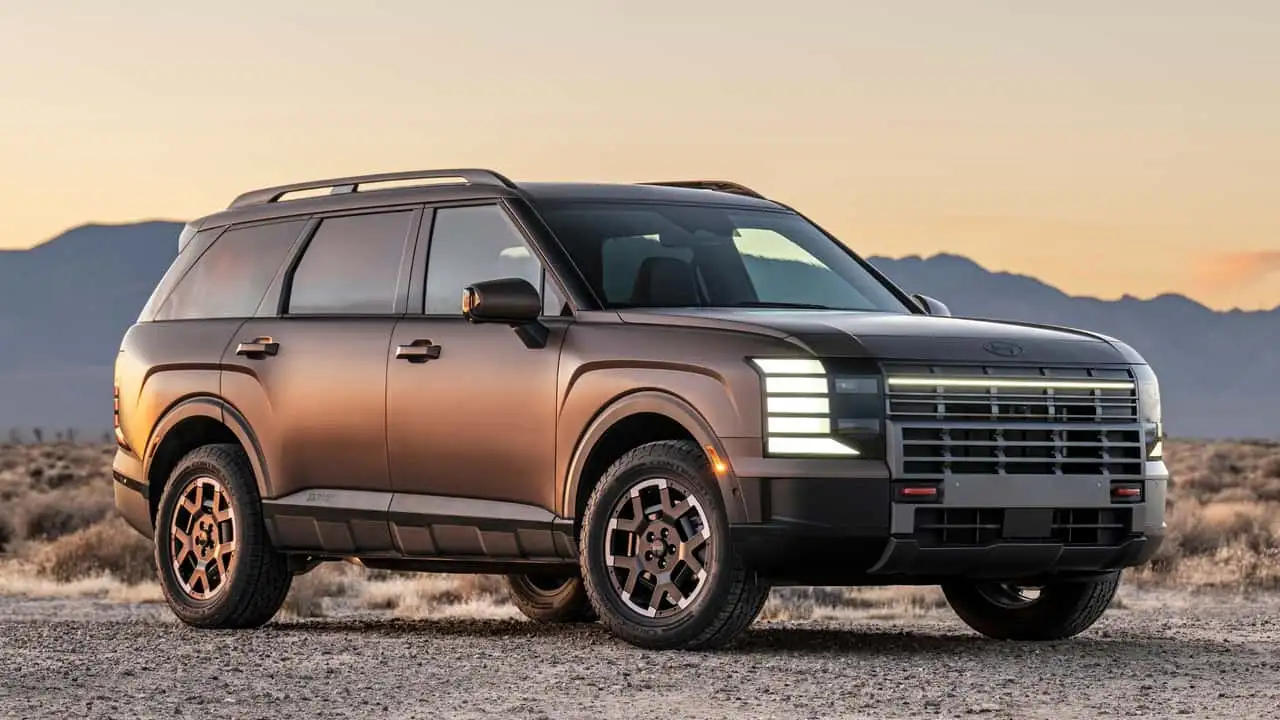

Hyundai Trade-in Process Explained: Maximize Your Hyundai Trade-in
Maximizing a Hyundai trade-in value requires preparation before the appraisal. Consulting Kelley Blue Book and Edmunds provides a baseline estimate. Presenting a complete service history demonstrates proper maintenance and increases perceived value. Transparent disclosure of the vehicle's condition builds trust with the dealership. These steps can improve the final offer received.
Shop New, Certified & Pre-Owned Hyundai
Browse inventory, book service, and apply for financing all in one place at South Shore Hyundai — serving Valley Stream, Lynbrook, Elmont, Franklin Square, Hempstead, Long Beach, and all of Long Island, NY.
Key Takeaways
- Researching baseline values through Kelley Blue Book and Edmunds sets realistic expectations before dealer conversations.
- Presenting a complete service history demonstrates consistent care and increases perceived value during the appraisal.
- Using multiple appraisal channels, including dealer assessments and online tools, strengthens negotiating position for a higher offer.
- Addressing minor cosmetic issues like paint touch-ups improves appeal, while major mechanical repairs rarely return their full cost at trade-in.
What is the Hyundai trade-in process?
The Hyundai trade-in process is a structured vehicle appraisal that determines a car's market value based on condition, mileage, service history, and current demand. Dealerships evaluate these four factors to calculate an offer that reduces the cost of a new or certified pre-owned purchase. Without a clear understanding of this process, owners risk leaving substantial equity unclaimed during negotiation.
What factors do dealerships evaluate during a Hyundai trade-in appraisal?
Appraisal managers inspect four primary areas. Vehicle condition covers exterior paint, interior upholstery, and mechanical function. Mileage benchmarks the car against market averages for its model year. Service history documents routine maintenance and repairs. Market demand reflects local buyer interest in that specific Hyundai model and trim level. Each factor carries weight in the final valuation.
How can owners prepare before visiting a dealership?
Preparation follows a clear sequence of steps:
- Research baseline values through Kelley Blue Book and Edmunds. These valuation sources provide independent estimates that set realistic expectations before any dealer conversation begins.
- Gather complete service records. A documented maintenance history demonstrates consistent care and increases perceived value during the appraisal.
- Use multiple appraisal channels. Dealer assessments combined with online valuation tools build a comprehensive view of market value. Comparing quotes from different sources strengthens negotiating position and often results in a higher trade-in offer.
South Shore Hyundai's sales department can be reached at 844-422-6810. Presenting organized documentation allows the team to verify proper care quickly and quote top market value. The process rewards preparation. Owners who skip research or arrive without records lose negotiating leverage that documented vehicles command.
How does vehicle condition affect trade value?
Vehicle condition directly determines the trade-in offer a dealership extends. Appraisal managers inspect exterior panels, interior surfaces, and mechanical systems to calculate a vehicle's market value. A well-maintained Hyundai commands a higher offer. Visible wear and unresolved mechanical issues reduce that offer immediately.
The appraisal process evaluates several condition factors. Hyundai Trade-in Process Explained begins with a thorough walk-around inspection. Dealerships assess paint quality, body panel alignment, glass condition, and tire tread depth. Interior evaluation covers upholstery tears, dashboard cracks, odor, and electronic functionality. Mechanical checks include engine performance, transmission behavior, brake wear, and suspension integrity. Each defect subtracts from the baseline valuation.
What types of damage most reduce trade-in value?
Scratches, dents, upholstery damage, and mechanical problems all negatively affect an appraisal. Garden Grove Hyundai notes that these visible and functional defects signal deferred maintenance to the appraiser. A single deep scratch on a door panel matters less than multiple dents across several body panels. Worn driver's seat bolsters and cracked dashboard surfaces suggest heavy use. Mechanical issues like transmission hesitation or brake pulsation raise immediate concerns about upcoming repair costs.
Should owners repair damage before trading in?
Addressing minor cosmetic issues improves a vehicle's appeal during appraisal. However, expensive repairs are not always worthwhile. The key calculation compares estimated repair cost against the potential increase in trade-in value. A paint touch-up that raises the offer makes financial sense. A transmission repair rarely returns its full cost at trade-in. Garden Grove Hyundai recommends focusing on low-cost cosmetic fixes and presenting complete maintenance records instead of undertaking major mechanical work. Professional reconditioning teams at the dealership handle significant repairs at wholesale cost, which means the owner gains nothing by paying retail repair prices beforehand.
What maintenance records should I gather?
A complete service history is the single most persuasive document an owner can present during a Hyundai Trade-in Process Explained appraisal. Dealerships use these records to verify responsible ownership and grade mechanical reliability. Presenting a complete service history demonstrates maintenance and can increase a dealer’s perceived value, according to industry appraisal guidance. Without documentation, even a well-kept vehicle loses negotiating power because the appraiser cannot confirm its care history.
What specific receipts carry the most weight?
Bringing maintenance receipts for regular oil changes, brake services, and tire rotations provides concrete proof of mechanical reliability. These three service categories help evaluators grade the vehicle in a higher condition tier. Owners should organize receipts chronologically in a folder or binder. Digital records stored in a manufacturer app also satisfy this requirement. Missing intervals or gaps in the timeline raise questions that reduce the final offer.
Why do service records affect the trade-in number?
Regular maintenance is one of the most effective ways to preserve a Hyundai’s trade-in value. It shows the kind of responsible ownership dealerships want to see when they calculate an offer. A vehicle with spotty records signals deferred care, which translates directly into a lower appraisal. The loss is avoidable. South Shore Hyundai’s service technicians are certified and perform maintenance using genuine Hyundai parts, creating documentation that carries full credibility during any trade assessment. Owners who keep every invoice from day one give appraisers zero reason to discount the vehicle for uncertain history.
How do I clean and prepare my Hyundai?
A thorough cleaning and organized presentation directly increases a Hyundai's trade-in appraisal value. Dealership appraisers assess overall condition, and a well-prepared vehicle signals consistent care and pride of ownership.
A shiny exterior goes a long way, but a properly maintained vehicle goes even further. Regular maintenance is one of the most effective ways to preserve a Hyundai's trade-in value because it demonstrates mechanical diligence beyond surface appearance. Before any appraisal appointment, owners should clean the interior and exterior thoroughly. This step removes distractions that might otherwise obscure the vehicle's true condition during inspection.
What should I gather before the appraisal?
Gathering all factory keys and accessories creates a complete presentation. Missing remotes, valet keys, or original floor mats reduce the perceived completeness of the vehicle. Appraisal managers verify these items quickly when they are organized and readily available. A complete set signals that the owner maintained the vehicle with attention to detail.
Should I fix mechanical issues before trading in?
Addressing minor cosmetic details while leaving major mechanical repairs to professional reconditioning teams ensures owners maximize their return. Small fixes like touching up paint chips or replacing worn wiper blades improve first impressions. Major repairs, however, cost more at retail rates than a dealership's internal reconditioning department spends. The dealership's team handles significant mechanical work at wholesale cost, making owner-paid repairs an unnecessary expense that rarely recovers its full value in the trade-in offer.
The preparation process follows a logical sequence. First, collect all maintenance records, spare keys, and original accessories. Second, perform a deep clean of the interior, including carpets, upholstery, and all glass surfaces. Third, wash and wax the exterior, paying attention to wheels and door jambs. Fourth, address small cosmetic flaws like light scratches or missing trim pieces. Fifth, organize all documentation in a folder for the appraisal manager. Each step builds on the previous one, culminating in a vehicle that presents maximum value.
What online tools help estimate trade value?
Online valuation tools from Kelley Blue Book and Edmunds provide a baseline estimate for any Hyundai trade-in. These platforms analyze market data, vehicle condition, and regional demand to generate a realistic price range. Without this research, a vehicle owner risks accepting an offer hundreds or even thousands of dollars below fair market value.
The Hyundai Trade-in Process Explained begins with accurate self-appraisal. Dealerships rely on condition, mileage, and service history when calculating offers. An informed seller enters negotiations with documented evidence rather than guesswork.
How should someone use multiple valuation tools?
Using several appraisal channels builds a comprehensive view of market value. Comparing quotes from different platforms strengthens a negotiating position and often results in a higher trade-in offer. A single estimate provides only one data point. Three or four estimates reveal the true range.
Follow these steps to gather reliable online valuations:
- Visit Kelley Blue Book and enter the vehicle's VIN, mileage, and zip code.
- Repeat the process on Edmunds, matching the same condition and equipment details.
- Run multiple scenarios with different condition ratings and mileage brackets to see the full range of possible values.
- Print or save screenshots of each estimate for reference during dealer negotiations.
Why do printed estimates matter at the dealership?
Printed or saved screenshots provide a documented baseline and prevent lowballing based on a single assumption. Appraisal managers at South Shore Hyundai review these estimates alongside their own inspection findings. A customer who presents organized, verifiable data signals preparation and seriousness. That preparation often translates into a stronger final offer.
How do I present my vehicle for appraisal?
Presenting a Hyundai for appraisal requires organization, documentation, and transparency. An organized, well-documented vehicle allows appraisal managers to verify proper care quickly and quote top market value. Dealerships assess overall condition, mileage, service history, and current market demand when determining trade-in worth. A methodical presentation signals responsible ownership and removes friction from the valuation process.
What documents should I bring to a Hyundai trade-in appraisal?
Complete maintenance records form the foundation of a strong appraisal submission. Gather all service receipts, oil change logs, and repair documentation before arriving at the dealership. These records demonstrate consistent care and eliminate guesswork about the vehicle's mechanical history. Factory keys, owner's manuals, and any original accessories strengthen the presentation further.
How does condition disclosure affect my trade-in offer?
Transparent disclosure of condition builds trust and may improve appraisal outcomes. Appraisal managers value honesty about known issues, prior accidents, or mechanical concerns. Concealing problems rarely succeeds. Professional evaluators identify undisclosed damage quickly, and that discovery erodes the credibility of the entire submission. Full disclosure positions the transaction as straightforward and professional.
Follow these steps when presenting the vehicle:
- Wash the exterior thoroughly and clean all interior surfaces, including carpets, upholstery, and glass.
- Organize maintenance records chronologically in a folder or binder for quick review.
- Locate all factory keys, key fobs, and original accessories such as floor mats or cargo covers.
- Remove personal belongings from the glove box, center console, and trunk.
- Note any known mechanical or cosmetic issues on a written list for the appraiser.
Minor cosmetic imperfections rarely justify expensive repairs before appraisal. Dealership reconditioning teams handle such work at lower cost than individual owners. South Shore Hyundai's sales department can be reached at 844-422-6810 for questions about the appraisal process. The Hyundai Trade-in Process Explained through this dealership prioritizes efficiency and fair market valuation for Valley Stream, Long Island, and Queens customers.
What are common mistakes to avoid?
Avoiding common trade-in mistakes protects the vehicle's appraised value. Several missteps routinely reduce offers by hundreds of dollars. The Hyundai Trade-in Process Explained reveals where owners lose money unnecessarily.
What happens when maintenance records are missing?
A missing service history directly lowers a dealer's perceived value of the vehicle. Presenting a complete service history demonstrates consistent maintenance and increases that perception. Without documentation, appraisal managers cannot verify proper care. The offer shrinks accordingly.
Why should owners avoid expensive pre-trade repairs?
Investing in costly repairs rarely pays off at trade-in time. Compare the estimated repair cost against the potential increase in trade-in value before authorizing any work. Major mechanical repairs are better left to the dealership's professional reconditioning team. Their wholesale parts and labor rates make the fix cheaper for them than for the owner.
Three additional mistakes cost owners money:
- Skipping market research before the appraisal. Researching local market valuations beforehand establishes a realistic baseline. Walking in uninformed leaves the owner unable to recognize a low offer.
- Neglecting to gather all complete maintenance records. Organized documentation allows quick verification of proper care. Missing records erase the premium that a well-maintained Hyundai commands.
- Failing to present factory keys and accessories. All original items signal responsible ownership. Their absence raises questions about overall care.
Each of these errors is avoidable with preparation. A clean, documented vehicle with all original accessories positions the owner for the highest possible offer. South Shore Hyundai appraisal specialists review these details carefully when determining trade-in value.
How do I finalize the trade-in deal?
Finalizing a Hyundai trade-in requires comparing multiple offers and presenting organized documentation. A methodical approach to the final negotiation protects the vehicle's equity and reduces the amount financed toward the next purchase.
What documents should I bring to finalize my trade-in?
Bring the vehicle's title, all factory keys, and complete maintenance records. A full service history demonstrates consistent care and increases the dealer's perceived value during the final appraisal. Missing keys or incomplete paperwork slow the process and weaken the negotiating position.
How do I compare trade-in offers effectively?
Use multiple appraisal channels before settling on a single offer. Dealer assessments and online valuation tools together build a comprehensive view of market value. Comparing quotes from multiple sources strengthens the negotiating position and can result in a higher trade-in offer.
South Shore Hyundai's sales department accepts trade-in appointments Monday through Friday from 9:00 AM to 9:00 PM and Sunday from 11:00 AM to 5:00 PM. The Hyundai Trade-in Process Explained through these steps ensures no equity is left unclaimed.
- Gather valuation data. Obtain written offers from at least two dealerships and one online appraisal tool. Side-by-side figures reveal the true market range.
- Present the service file. Hand the complete maintenance history to the appraisal manager. Documented care translates directly to a stronger offer.
- Disclose condition transparently. Point out any cosmetic flaws or mechanical issues. Honest disclosure builds trust and often improves appraisal outcomes.
- Negotiate the net figure. Focus on the trade-in allowance after any payoff is subtracted. This net number is what actually reduces the next vehicle's financed amount.
A disciplined final step locks in the vehicle's full worth. Trading in a current vehicle reduces the amount financed or paid toward the next purchase, making every dollar of trade equity count.
FAQ
How do I prepare my Hyundai before a trade-in appraisal?
Research baseline values through Kelley Blue Book and Edmunds, gather complete service records, and address minor cosmetic issues like paint touch-ups to improve appeal.
How does vehicle condition affect my trade-in offer?
A well-maintained Hyundai commands a higher offer, while visible wear and unresolved mechanical issues reduce that offer immediately.
Conclusion
Maximizing trade-in value requires preparation, transparency, and documentation. Presenting a clean vehicle with complete service records and all original accessories positions the owner for the strongest offer. Disclosing condition honestly builds trust with the appraisal manager, while avoiding costly pre-trade repairs protects equity. Comparing multiple offers before finalizing the deal ensures the vehicle’s full worth is captured. Following these steps reduces the amount financed toward the next purchase and makes the transaction straightforward.
Our Valley Stream Showroom
Valley Stream, NY 11581
South Shore Hyundai
Address
360 Sunrise Hwy
Valley Stream, NY 11581
Phone
| Monday | 9:00AM - 9:00PM |
| Tuesday | 9:00AM - 9:00PM |
| Wednesday | 9:00AM - 9:00PM |
| Thursday | 9:00AM - 9:00PM |
| Friday | 9:00AM - 9:00PM |
| Saturday | 9:00AM - 6:00PM |
| Sunday | 11:00AM - 5:00PM |
| Monday | 7:00AM - 4:00PM |
| Tuesday | 7:00AM - 4:00PM |
| Wednesday | 7:00AM - 4:00PM |
| Thursday | 7:00AM - 4:00PM |
| Friday | 7:00AM - 4:00PM |
| Saturday | 7:00AM - 4:00PM |
| Sunday | Closed |
| Monday | 7:00AM - 4:00PM |
| Tuesday | 7:00AM - 4:00PM |
| Wednesday | 7:00AM - 4:00PM |
| Thursday | 7:00AM - 4:00PM |
| Friday | 7:00AM - 4:00PM |
| Saturday | 7:00AM - 4:00PM |
| Sunday | Closed |
