



How to Estimate Your Hyundai Trade-in Value
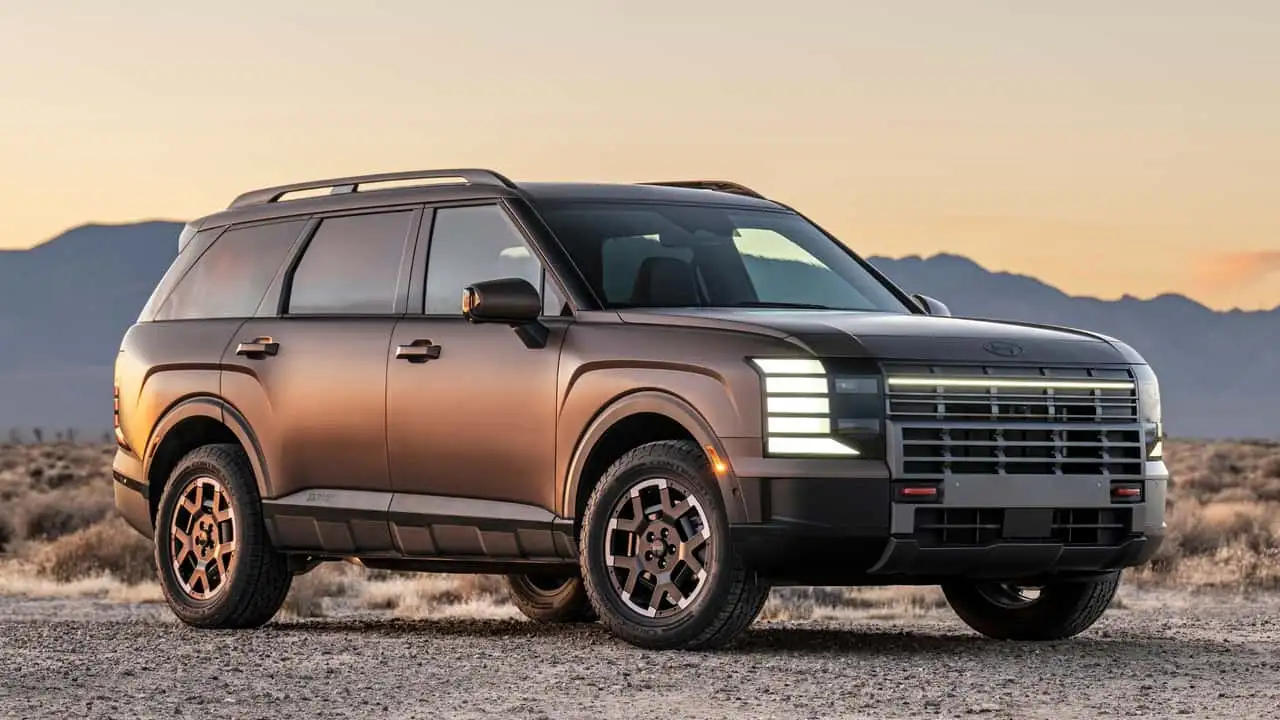

Hyundai Trade-in Value Estimate Guide
South Shore Hyundai is a Hyundai dealer in Valley Stream, NY. The process uses a quick online calculator to determine a vehicle’s worth based on condition and market data. Hyundai’s IONIQ 6, for example, holds strong value due to its 800V ultra-fast charging capability and exceptional all-electric range.
Shop New, Certified & Pre-Owned Hyundai
Browse inventory, book service, and apply for financing all in one place at South Shore Hyundai — serving Valley Stream, Lynbrook, Elmont, Franklin Square, Hempstead, Long Beach, and all of Long Island, NY.
Key Takeaways
- A Hyundai trade-in value estimate differs from a private-party sale price, which reflects the added time and effort of selling directly to an individual buyer.
- Kelley Blue Book distinguishes between the Trade In Range, showing what a consumer can expect when trading in at a dealer, and the Private Party Value.
- Vehicle condition ranks as the single most influential factor, with documented maintenance records and no accident history consistently commanding a higher offer.
- Online valuation tools from sources like Black Book and Edmunds provide additional data points, aggregating recent transaction data to generate market-based estimates.
What is a Hyundai trade-in value estimate?
A Hyundai Trade-in Value Estimate is the amount a dealership may offer for a current vehicle when it is applied toward another purchase. This figure differs from a private-party sale price, which reflects the added time and effort of selling directly to an individual buyer. Without a reliable estimate, car owners risk leaving substantial equity unclaimed during their next transaction.
The estimate serves as a financial anchor. It clarifies what the existing vehicle contributes to the budget for a new Tucson, a certified pre-owned Santa Fe, or an electrified IONIQ model. Drivers who skip this step often negotiate from a weaker position, unaware of how much their trade-in offsets the final cost.
How does a trade-in value differ from other vehicle values?
A trade-in value is not a single, universal number. Kelley Blue Book, which has been The Trusted Resource for used car values for over 90 years, distinguishes between two key figures. The Kelley Blue Book Trade In Range shows what a consumer can expect to receive for their car this week when trading it in at a dealer. The Private Party Value reports on a fair price when selling to an individual instead. The trade-in figure is typically lower because the dealer assumes reconditioning, marketing, and inventory costs that a private buyer does not.
What factors shape a Hyundai trade-in value estimate?
Several concrete variables determine the final appraisal. Vehicle condition ranks first: mechanical soundness, exterior paint quality, and interior wear directly move the number. Service history provides proof of maintenance, which strengthens the offer. Local market demand shifts values seasonally; all-wheel-drive models command higher estimates in winter months. Remaining loan balances also matter. If the payoff amount exceeds the trade-in value, that negative equity rolls into the next financing agreement. We specialize in new Hyundai and used (MAKE), service, and financing.
What factors affect your trade-in value?
A vehicle's trade-in value depends on several measurable factors that appraisers weigh during evaluation. Local market demand, physical condition, service history, and current loan status all shape the final offer a dealer presents. Without understanding these variables, a seller risks leaving money on the table.
How does vehicle condition impact the appraisal?
Condition ranks as the single most influential factor in any trade-in assessment. Appraisers inspect exterior paint, interior wear, mechanical function, and tire tread depth. A car with documented maintenance records and no accident history consistently commands a higher offer than one with cosmetic damage or deferred repairs. Even minor issues like windshield chips or worn upholstery reduce the valuation.
Why does local market demand matter?
Kelley Blue Book Values reflect local conditions across multiple geographic regions and are updated weekly. A four-wheel-drive SUV fetches a premium in areas with harsh winters. The same vehicle may bring less in warm-weather markets where fuel-efficient sedans dominate. Seasonal shifts also move pricing: convertibles gain value in spring, while all-wheel-drive models peak in autumn.
What role do mileage and age play?
Depreciation curves track closely with odometer readings and model years. Higher mileage accelerates wear on engines, transmissions, and suspension components. Older vehicles face steeper depreciation regardless of condition. Kelley Blue Book derives its figures from massive amounts of data, including actual sales transactions and auction prices, then adjusts for seasonality and market trends.
How does an existing loan affect the transaction?
A remaining loan balance directly impacts the net outcome. When the trade-in offer exceeds the payoff amount, positive equity rolls into the next purchase. When the loan balance surpasses the vehicle's value, the shortfall becomes negative equity that must be addressed. Sellers should contact their lender for a current payoff quote before visiting a dealership.
The dealership's appraisal process examines condition, mileage, service records, and regional pricing data to produce a transparent offer.
How do you estimate your trade-in online?
A Hyundai Trade-in Value Estimate begins with a complimentary online appraisal tool. The process delivers an obligation-free valuation in minutes. Drivers who skip this step often leave money on the table when negotiating their next purchase.
What information does an online trade-in calculator require?
Accurate estimates depend on precise vehicle details. The calculator needs the VIN, exact mileage, trim level, and installed options. Missing or rounded figures produce unreliable numbers that weaken a buyer's negotiating position.
- Locate the vehicle's 17-character VIN on the dashboard or driver's door jamb.
- Record the exact odometer reading rather than rounding to the nearest thousand.
- Identify the specific trim designation and any factory option packages.
- Enter these details into the trade-in calculator on the dealership's website.
- Submit the form to receive an immediate estimated value range.
How do third-party valuation tools complement a dealer appraisal?
Online valuation tools from sources like Black Book and Edmunds provide additional data points. These platforms aggregate recent transaction data to generate market-based estimates. Comparing multiple sources gives a vehicle owner a realistic baseline before visiting the dealership.
A complimentary trade-in appraisal from the dealership then refines that baseline. The company's appraisal process accounts for local market demand and a physical inspection of the vehicle's condition. This combination of online research and professional evaluation produces the most reliable figure. Without it, a seller risks accepting an offer below the vehicle's true market value.
How can you maximize your trade-in return?
Maximizing a Hyundai Trade-in Value Estimate starts well before visiting the dealership. A vehicle's final appraisal reflects preparation, documentation, and timing. Sellers who address these factors systematically secure stronger offers and avoid leaving money on the table.
What repairs deliver the best return before trading in?
Not every fix pays off. Focus on issues a dealer spots immediately. Addressing minor repairs, detailing, and cosmetic fixes improves perceived condition dramatically. A thorough interior cleaning, touch-up paint on small scratches, and replacing worn wiper blades signal consistent care. Skip major mechanical overhauls. Their cost rarely recovers in trade value.
How should maintenance history be presented?
Dealers value proof over promises. Organizing maintenance records, owner manuals, and spare keys demonstrates responsible ownership. A chronological file of service receipts, oil change stickers, and warranty work builds confidence in the vehicle's history. Include all key fobs. Missing remotes suggest neglect and invite lower offers.
When is the best time to trade in a vehicle?
Market conditions shift throughout the year. Timing your trade around market cycles, end-of-year sales, and model transitions yields better offers. Dealers push to clear inventory during November and December, often increasing trade allowances. New model arrivals depress values on the outgoing generation. Trading before that transition protects equity.
How does condition grade affect the final number?
Honest self-assessment prevents disappointment. Evaluating condition realistically as Good, Fair, or Excellent anchors expectations. Excellent means flawless paint, pristine interior, and complete service history. Good allows minor wear. Fair includes mechanical needs or cosmetic damage. Overestimating condition inflates online estimates but collapses during the in-person appraisal. Accurate grading produces a reliable Hyundai Trade-in Value Estimate and smoother negotiations.
What happens during the dealer appraisal?
A dealer appraisal is a physical inspection that differs from online preliminary estimates. The process determines a vehicle's actual market value through hands-on evaluation. Online tools provide a starting point. The in-person assessment confirms or adjusts that figure based on real-world condition.
How does the physical inspection work?
Dealerships inspect mechanical, electrical, and cosmetic components during the appraisal. A technician starts the engine, checks for warning lights, and listens for unusual noises. The electrical systems undergo testing. Lights, windows, and infotainment functions are verified. Cosmetic factors matter too. Paint condition, interior wear, and tire tread depth all influence the final number.
Service technicians are certified. They use genuine Hyundai parts and the latest diagnostic equipment when evaluating trade-ins. This expertise catches issues that a private buyer might overlook.
What happens with an existing loan?
Handling existing loan balances involves understanding positive equity versus negative equity. The appraiser compares the vehicle's determined value against the remaining loan payoff amount. Positive equity occurs when the car is worth more than what is owed. That surplus becomes a credit toward the next purchase. Negative equity means the loan balance exceeds the vehicle's value. The shortfall requires resolution before the transaction can proceed.
The appraisal takes 30 to 45 minutes in most cases. A written offer follows. That offer remains valid for a set period, giving customers time to consider their options without pressure.
Should you trade in or sell privately?
The decision between trading in a vehicle and selling it privately carries financial and practical consequences that extend well beyond the sale price. A private sale often yields a higher gross figure, yet the net outcome shifts dramatically once tax advantages, time investment, and transaction risk enter the calculation. For Value drivers weighing these two paths, the trade-in route delivers specific benefits that a private listing cannot match.
What tax benefit does trading in provide in New York?
New York sales tax advantages apply directly to trade-in value, reducing the taxable amount on a new purchase. When a customer trades in a vehicle, the trade-in credit subtracts from the new car's price before sales tax is calculated. A private sale offers no equivalent offset. The tax savings alone can close much of the gap between a trade-in offer and a private-party asking price, sometimes erasing it entirely.
How does the trade-in process compare to selling privately?
Trading in offers simplicity, safety, and financing integration compared to private sale hassles. A private seller must photograph the vehicle, write listings, field inquiries from unknown buyers, schedule test drives, negotiate price, and handle payment and title paperwork independently. Each step consumes time and introduces risk. The trade-in process is obligation-free and starts with providing vehicle information. A customer supplies details about the vehicle, receives an appraisal, and walks away with a firm offer, no commitment required.
A fair and honest offer is a key reason to choose a dealership for selling a car. The dealership's reputation depends on transparent valuations that reflect market data and vehicle condition. Customers avoid the uncertainty of private-party haggling and the possibility of a deal falling through at the last moment.
| Factor | Trade-In | Private Sale |
|---|---|---|
| Sales tax benefit | Yes, in New York | None |
| Time required | Hours | Days to weeks |
| Buyer risk | Minimal | High |
| Financing integration | Seamless | Not available |
| Paperwork handling | Dealer-managed | Owner-managed |
Financing integration adds another layer of convenience. When a customer trades in and purchases from the same dealership, the equity from the trade applies directly to the new loan or lease. A private seller must coordinate two separate transactions, often carrying a loan balance on the old vehicle while securing financing for the replacement. That complexity disappears with a single-transaction trade-in.
How do you use trade equity for a new Hyundai?
Trade equity reduces the amount financed on a new or certified pre-owned Hyundai. The equity represents the difference between a vehicle's appraised value and any remaining loan balance. Applying this equity toward a purchase lowers monthly payments and shortens loan terms. Without applying trade equity, buyers carry higher principal balances and pay more interest over the life of the loan.
What steps apply trade equity to a Hyundai purchase?
The process follows a clear sequence. Each step builds on accurate valuation and transparent documentation.
- Obtain a precise Hyundai Trade-in Value Estimate. Use recognized valuation tools to establish a baseline. Kelley Blue Book and NADA provide data-driven ranges based on actual sales and market conditions.
- Calculate the net equity position. Subtract the current loan payoff amount from the estimated trade-in value. A positive number is equity available for the next vehicle.
- Present the vehicle for a professional appraisal. The dealership inspects condition, verifies service history, and confirms the final offer. The appraisal solidifies the estimate into a guaranteed figure.
- Direct the equity to the new contract. The agreed trade value pays off the existing loan first. Remaining funds transfer directly to the down payment on the new Hyundai.
Does trade equity work with financed vehicles?
Yes. Equity applies even when a loan remains open. The dealership manages the payoff process. The dealership coordinates with the lienholder to settle the balance. Any surplus after payoff becomes the customer's equity. This equity then reduces the capitalized cost of the replacement vehicle. Customers avoid the complexity of private sale while retaining the full value of their asset.
When is the sales department available to finalize a trade?
The sales department processes trade-in transactions Monday through Friday from 9:00 AM to 9:00 PM. Sunday hours run from 11:00 AM to 5:00 PM. The department can be reached at 844-422-6810. Scheduling an appraisal during these windows ensures immediate application of trade equity toward a new Hyundai, a certified pre-owned Santa Fe, or an electrified IONIQ model.
What common mistakes should you avoid?
Avoiding common trade-in mistakes protects the final offer amount. A Hyundai Trade-in Value Estimate depends on preparation, accurate details, and realistic condition assessment.
What happens when condition is overestimated?
Owners who rate a vehicle as Excellent when it shows visible wear receive lower final appraisals. Evaluating condition realistically across Good, Fair, and Excellent categories prevents this gap. The appraisal conversation becomes smoother when expectations match the vehicle's actual state.
Which preparation steps matter most?
Follow these steps before requesting any valuation:
- Gather the VIN, exact trim level, current mileage, and installed options.
- Address minor repairs, detailing, and cosmetic fixes that affect perceived condition.
- Review local market demand and seasonal trends for the specific model.
- Confirm the remaining loan balance to understand equity position.
Skipping these steps produces inaccurate online estimates. Local demand, vehicle history, remaining loan balance, and season all affect the final appraisal. A clean, well-documented vehicle consistently earns stronger offers.
Why do local factors change the number?
Trade-in values shift with regional buyer interest and time of year. Ignoring these patterns leads to unrealistic expectations. Obligation-free appraisals account for current Value market conditions.
FAQ
How do I get a Hyundai trade-in value estimate?
Use the quick online calculator on the dealership's website to determine your vehicle's worth based on condition and market data.
What factors affect my Hyundai trade-in value?
Vehicle condition ranks as the single most influential factor, along with documented maintenance records, no accident history, local market demand, and remaining loan balances.
Conclusion
An accurate trade-in estimate begins with honest condition reporting and ends with a guaranteed offer that applies directly to a new purchase. Avoiding common mistakes, such as overestimating condition or skipping preparation steps, protects the final value and streamlines the transaction. The process eliminates private-sale risk while preserving equity for the next vehicle.
Our Valley Stream Showroom
Valley Stream, NY 11581
South Shore Hyundai
Address
360 Sunrise Hwy
Valley Stream, NY 11581
Phone
| Monday | 9:00AM - 9:00PM |
| Tuesday | 9:00AM - 9:00PM |
| Wednesday | 9:00AM - 9:00PM |
| Thursday | 9:00AM - 9:00PM |
| Friday | 9:00AM - 9:00PM |
| Saturday | 9:00AM - 6:00PM |
| Sunday | 11:00AM - 5:00PM |
| Monday | 7:00AM - 4:00PM |
| Tuesday | 7:00AM - 4:00PM |
| Wednesday | 7:00AM - 4:00PM |
| Thursday | 7:00AM - 4:00PM |
| Friday | 7:00AM - 4:00PM |
| Saturday | 7:00AM - 4:00PM |
| Sunday | Closed |
| Monday | 7:00AM - 4:00PM |
| Tuesday | 7:00AM - 4:00PM |
| Wednesday | 7:00AM - 4:00PM |
| Thursday | 7:00AM - 4:00PM |
| Friday | 7:00AM - 4:00PM |
| Saturday | 7:00AM - 4:00PM |
| Sunday | Closed |
